Last updated: November 14, 2026
Key Takeaways
- The converter setup usually wins if you need the same desk to support both sitting and standing without changing the room.
- A converter setup wins for most office buyers because it preserves the desk you already have.
- The converter setup wins on flexibility; the tall desk wins on permanence.
- A drafting chair can handle popliteal pressure better only if the seat and foot support match your body; otherwise, it can make it worse.
If you’re choosing between a converter setup and a high drafting chair with a fixed tall desk, the better pick is usually the converter because it keeps one surface useful for both sitting and standing. The table below settles where the drafting setup wins, where it loses, and who should skip each one.
Our Top 3 Picks at a Glance
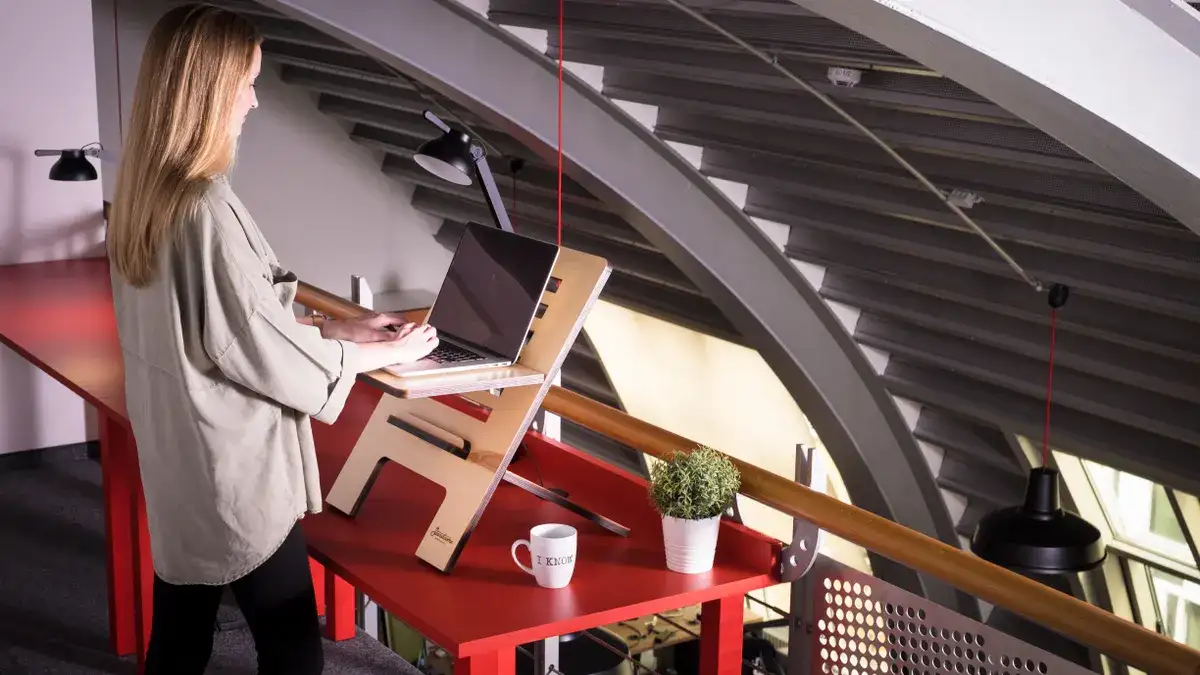
- #1 Best Overall: Standing desk converter setup for mixed sit-stand work and faster posture changes.
- #2 Best Budget Pick: High drafting chair with fixed tall desk for a single-height station that never moves.
- #3 Best Heavy-Duty / Upgrade Pick: A fixed tall desk with a stable perch setup if your work stays at one height most of the day.
Quick comparison
| Product / Option | Best For | Core Spec | Standout Feature | Action |
|---|---|---|---|---|
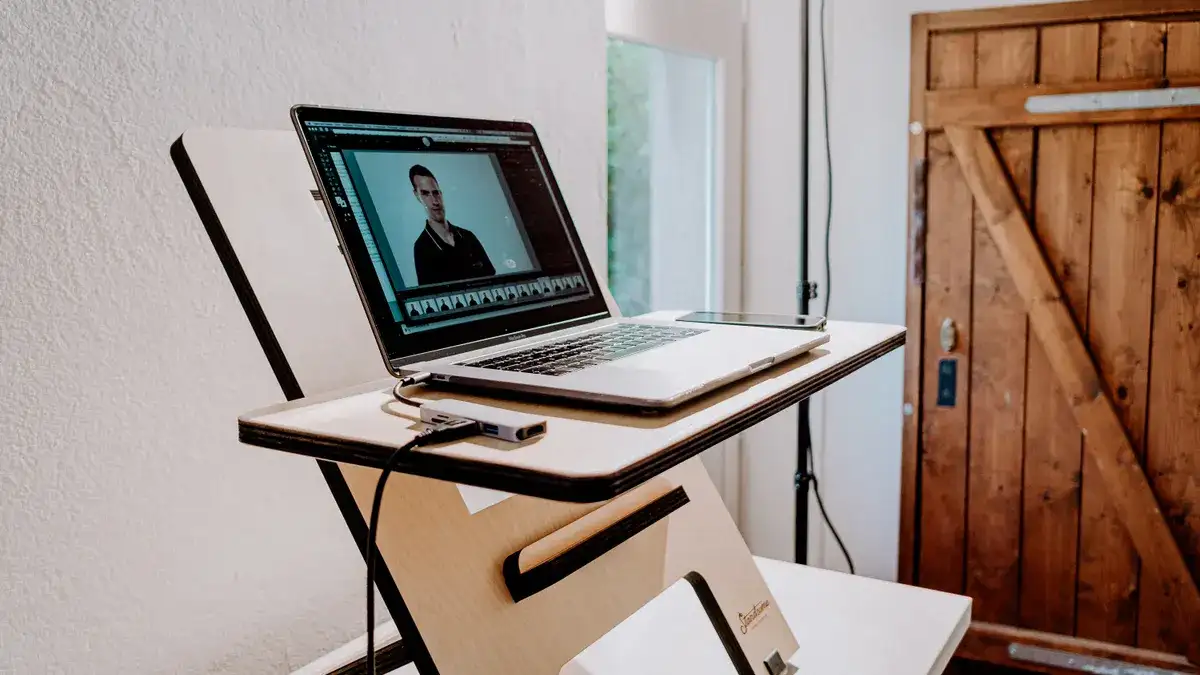
| Converter setup | Shared desks, mixed sitting and standing, and people who want one workstation to do both jobs | Raises a standard 29-inch surface into a higher work position | Faster posture changes without replacing the desk | Check current price and mounting style |
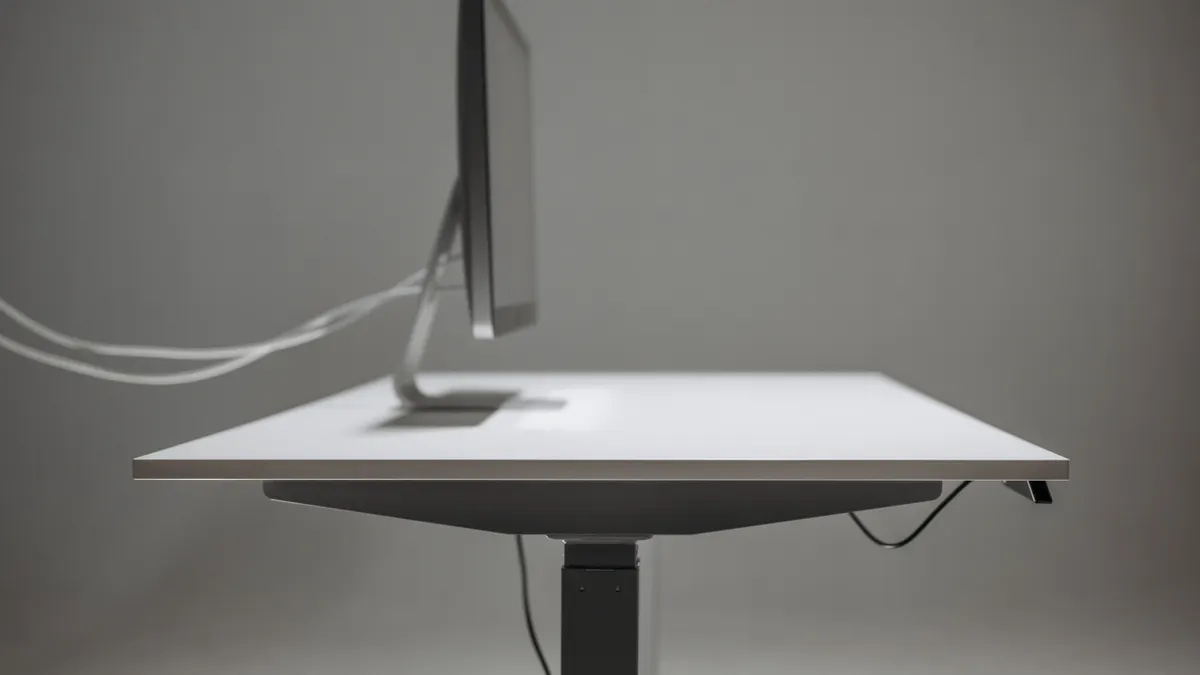
| High drafting chair with fixed tall desk | Single-user stations, drawing benches, and tasks that stay at one height | Works with a fixed 40-inch worksurface | Steady perch seating with a foot ring option | Check current price and seat-to-desk fit |
What is the real choice here?
The converter setup usually wins if you need the same desk to support both sitting and standing without changing the room. A fixed tall desk with a drafting chair wins when the whole station is already built around one height and stays there.
Picture this: you’re at a standard 29-inch desk, and the question is whether to add hardware on top or swap to a tall bench and chair. Converter transition speed matters here because it changes how often you’ll actually switch positions. A fixed 40-inch worksurface changes the whole room. A converter changes the job around the desk.
The best part? This is not just about comfort. It is about how much of your day gets easier instead of more complicated.
- Converter setup: better if you share the desk, change tasks often, or need a fast sit-to-stand shift.
- Drafting chair with tall desk: better if you already have a dedicated high station and want a simple, fixed layout.
- Wrong for both: if your desk height, chair height, or monitor position is already causing neck strain and you’re hoping one add-on will fix everything by itself.
Why a converter setup usually wins for mixed use
A converter setup wins for most office buyers because it preserves the desk you already have. That matters when the work surface is a standard 29-inch desk and you need standing height without rebuilding the room.
Picture this: you start in a chair, type for an hour, then want to stand for a call. With a converter, the desk stays put and the working surface moves. That makes posture changes easier to repeat. The truth is, people use what is simple. Simpler movement usually means more movement.
It also keeps the rest of the workstation familiar. Monitor arms, keyboard position, cable routing, and under-desk storage can stay closer to what you already own. A tall desk changes all of that at once.
Strengths of a converter setup
- Keeps the base desk and room layout intact.
- Makes sit-stand changes faster than moving between two different stations.
- Works well when more than one person uses the same desk at different heights.
- Fits a standard desk better than a full replacement in many offices.
Weaknesses of a converter setup
- Adds height and weight on top of the desk, which can make the top feel crowded.
- Can reduce clear space for papers, a second monitor, or a laptop stand.
- May still leave you with awkward monitor height if the converter is too shallow.
- Can wobble more than a fixed desk if it is overloaded or used on an uneven surface.
Who Should Skip This: If you only need one fixed position all day and want a more permanent bench-style station, a high drafting chair with fixed tall desk is the cleaner fit.
Buy this if: you’re a desk worker who switches between sitting and standing and wants one station to do both.
Skip this if: you need a permanent, open work surface and never plan to change heights during the day.
Why a high drafting chair and fixed tall desk still makes sense
A high drafting chair with a fixed tall desk wins when the station is already built for one working height and you do not want moving parts in the middle of the day. That setup is common in drafting, lab benches, front-desk stations, and creative work that stays perched for long stretches.
Picture this: you slide onto a drafting chair, set your feet on the ring, and keep your hands at the same height all day. That is the appeal. The desk does not move. The chair does not need constant adjustment. Perch seating can feel efficient when the job is repeated at the same station.
The catch is that this is a specialized answer, not a universal one. A tall desk changes how you reach your keyboard, look at your screen, and rest your feet. If the chair lacks a good foot ring adjustability range, the setup can turn into dangling legs, pressure points, or awkward hip angles.
Strengths of a high drafting chair and fixed tall desk
- Stable, permanent setup with no transition between heights.
- Better fit for tall benches, counters, and dedicated work islands.
- Cleaner feel for tasks that stay in one place for long blocks of time.
- Easier to keep a consistent hand and elbow height when the station is designed correctly.
Weaknesses of a high drafting chair and fixed tall desk
- Less flexible than a converter when the desk must serve different users.
- Can create popliteal pressure if the seat edge, ring, or foot support is poorly matched to your legs.
- Usually asks more from the room: a true fixed 40-inch worksurface changes the whole setup.
- Harder to adapt if your monitor, keyboard, or task changes during the day.
Who Should Skip This: If you work at a standard desk and only sometimes want standing posture, a converter setup is the better fit.
Buy this if: you are outfitting a dedicated bench, drafting area, or tall counter and want one fixed station.
Skip this if: you need a workstation that can flex for different users or change height often.
The honest side-by-side: what actually changes
The converter setup wins on flexibility; the tall desk wins on permanence. That is the core split, and everything else follows from it.
Picture this: you are choosing not just a chair, but the entire shape of your workday. A lot of buyers get distracted by seat padding or surface finish. Those details matter less than height flexibility, transition speed, and whether the desk already fits the room. Here is the catch: if the desk is wrong, the chair cannot save it.
| Criteria | Converter setup | High drafting chair + fixed tall desk | Winner for this condition |
|---|---|---|---|
| Changing between sitting and standing | Fast change at the same desk | No change; the whole station stays high | Converter setup |
| Room layout | Keeps the existing desk | Requires a taller, dedicated workstation | Converter setup |
| Dedicated task bench | Can work, but is not the cleanest fit | Built for one height and one job | High drafting chair + fixed tall desk |
| Shared workstation | Easier for multiple users | Harder to share if users differ in height | Converter setup |
| Foot support | Depends on the chair you pair with it | Often built around a foot ring | High drafting chair + fixed tall desk |
| Leg comfort over long use | Usually better if you can alternate positions | Can be good if the ring and seat depth fit well | Converter setup |
| Desk clutter | Can crowd the work surface | Usually leaves the top clearer | High drafting chair + fixed tall desk |
| Adaptability to different tasks | Strong for mixed work | Best when the task is repetitive and fixed | Converter setup |
| Re-entry cost if the setup is wrong | Lower, since the base desk stays | Higher, because the whole station is built tall | Converter setup |
The practical read is simple. If you care about flexibility and room reuse, the converter wins. If you care about a dedicated tall station and like the feel of a perch, the drafting setup has the edge.
Does a drafting chair handle popliteal pressure better?
A drafting chair can handle popliteal pressure better only if the seat and foot support match your body; otherwise, it can make it worse. Popliteal pressure is the squeeze behind the knee, and tall seating can increase it if your feet do not rest well.
Picture this: you sit on a high chair with your feet half dangling and your knees bent just enough to keep the seat edge on the back of your legs. That is where the problem starts. A good foot ring adjustability range matters because it keeps load off the underside of the thighs and helps your feet stay supported.
That said, a converter setup gives you another way out: standing. If the chair position starts to feel tight behind the knees, you can leave it. A fixed tall desk does not give you that same relief unless you already have the right chair and foot support.
- Drafting chair helps when the foot ring fits your leg length and you stay at one height.
- Converter helps when you need to change from seated to standing before pressure builds.
- Neither helps if the monitor height forces you to crane your neck or hunch your shoulders.
A bad tall-chair fit is not a small annoyance. It can turn a “supported” seat into a pressure point machine.
When does a fixed tall desk beat a converter?
A fixed tall desk beats a converter when the station is dedicated, the work is repetitive, and the room is already designed around a high work height. That is the cleanest use case for a fixed 40-inch worksurface.
Picture this: you are building a lab bench, drafting station, packing table, or a service counter where one height is the whole point. In that case, a converter is extra hardware you do not need. The tall desk keeps the top clear, makes edge access simple, and avoids the stacked look that a converter can create.
The flip side is obvious. Once you commit to the tall desk, you have committed to that height. If the user changes, or the task shifts toward keyboard-heavy work, the setup can get less forgiving. You also lose the easy “drop back to seated work” option that a converter gives you.
Use a fixed tall desk when:
- the station stays in one place and serves one main task,
- the user is comfortable with perch seating,
- you want a clear top with fewer moving parts,
- and the desk height is chosen to fit the worker, not the other way around.
Avoid it when:
- the desk has to serve more than one person,
- you need frequent sit-stand changes,
- or the room may change later.
The verdict: which one to choose and why
Choose a converter setup if you want one desk that can shift between sitting and standing without rebuilding the room. Choose a high drafting chair with fixed tall desk if you are outfitting a dedicated tall station and plan to stay at one height. Neither if your main problem is poor monitor height or a bad chair fit, because both options will just move the discomfort around.
Picture this: you want the cleaner decision, not another maybe. The converter is the safer all-around choice for most office buyers because it keeps more options open. The drafting setup is the specialist choice. It is right for counters, benches, and fixed-height work, and wrong for people who need flexibility.
- Pick the converter for mixed office work, shared desks, or a standard 29-inch surface.
- Pick the drafting setup for a permanent 40-inch-style station with perch seating.
- Reject both if you need a full ergonomic reset and the real issue is elsewhere.
If you are building from the standing desk converter selection framework, this is the fork in the road that matters most.
When should you reconsider both options?
You should rethink both options when the height problem is only one part of a bigger fit problem. A better chair, a better monitor arm, or a different desk size may solve more than either of these choices alone.
Picture this: you try to fix neck strain, shoulder reach, and leg comfort with a new workstation, but the screen still sits wrong and the keyboard still forces a bad reach. That is a layout issue, not a converter-versus-drafting-chair issue.
Consider a different path if:
- your monitor still sits too low or too high after the change,
- your knees hit the underside of the desk,
- you
Drafted with AI; not yet reviewed by a person.